



Column
Osaka SMEs Creating Solutions to Manufacturing Challenges
Japanese manufacturing companies have decreased by half during what is known as “Japan’s Lost Three Decades.” However, the value added per business site has continued to rise.*1 This result demonstrates that manufacturers have persistently refined their technologies and delivered high customer value, even under intense market competition. In particular, many manufacturing firms in Osaka have applied the technologies and expertise cultivated in niche fields to achieve what was once considered impossible, creating solutions that no one else had envisioned. This article highlights stories from Takumi Companies that have leveraged their manufacturing excellence to deliver diverse and impactful solutions.
*1 Using data from the Ministry of Economy, Trade and Industry’s 1990 Industrial Statistics Survey and the Ministry of Internal Affairs and Communications’ 2021 Economic Census for Business Activity, the value added per establishment in the manufacturing sector with fewer than 300 employees (excluding establishments with four or fewer employees) was calculated. The figure was JPY 153 million in 1990 and had doubled to JPY 304 million by 2021.
CHALLENGE is Our Job
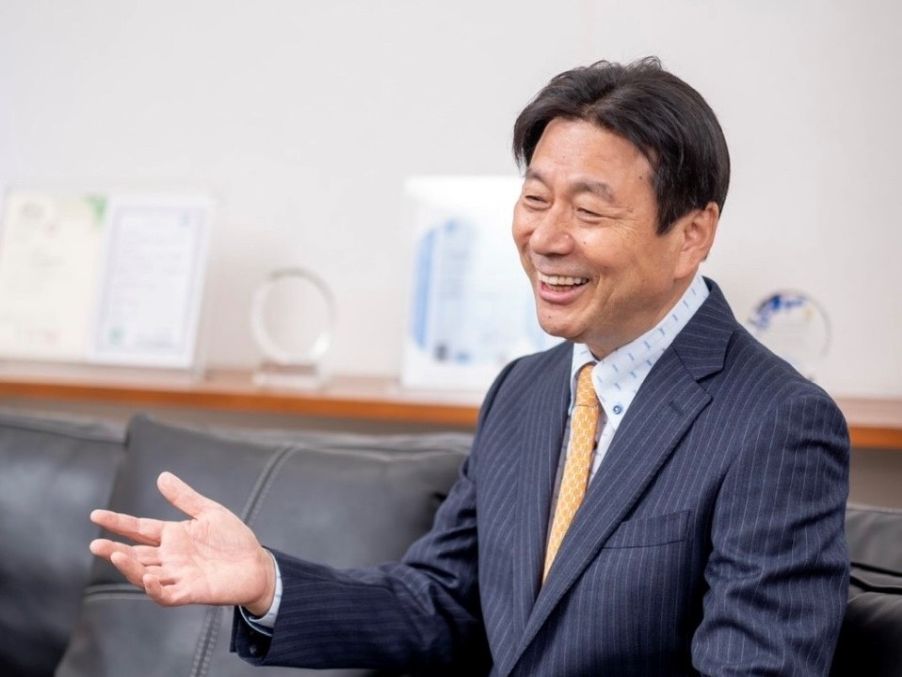
Daiichi Omiya Co., Ltd. CEO Takamine Matsuoka
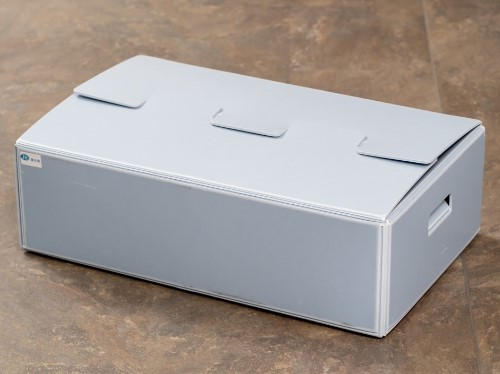
We at Daiichi Omiya specialise in packaging materials such as plastic corrugated cardboard (Pladan), and we have delivered numerous improvement solutions to the logistics sector—a persistent challenge for many businesses. To achieve this, we have developed a variety of proprietary products within the Pladan market, a field often considered difficult to differentiate. As a result, we now hold more than 30 registered patents.
Episode
We have always said within our company that “work is all about taking on challenges.” While daily tasks are certainly important, we believe that challenging ourselves with new ideas is equally essential. For example, although low‑foam PP sheets have existed for some time, it was once considered impossible to create crease lines for box forming—and we initially believed that too.
However, with a “let’s give it a try” mindset, we brought out a creasing press machine originally used for paper corrugated cardboard. After extensive trial and error, we became the first in the world to successfully produce boxes from low‑foam PP.
Our clients and visitors at trade shows are always looking for something new. To meet those expectations, we never stop creating new products. Our customers provide the hints that spark our development ideas. Even when a request makes us think, “That might be impossible,” we continue to take on the challenge—and that is how we discover the answers.
The Wellspring of Innovative Solutions
We have always said within our company that “work is all about taking on challenges.” While daily tasks are certainly important, we believe that challenging ourselves with new ideas is equally essential. For example, although low‑foam PP sheets have existed for some time, it was once considered impossible to create crease lines for box forming—and we initially believed that too.
However, with a “let’s give it a try” mindset, we brought out a creasing press machine originally used for paper corrugated cardboard. After extensive trial and error, we became the first in the world to successfully produce boxes from low‑foam PP.
Our clients and visitors at trade shows are always looking for something new. To meet those expectations, we never stop creating new products. Our customers provide the hints that spark our development ideas. Even when a request makes us think, “That might be impossible,” we continue to take on the challenge—and that is how we discover the answers.
The Harder the Challenge, the More We Enjoy It
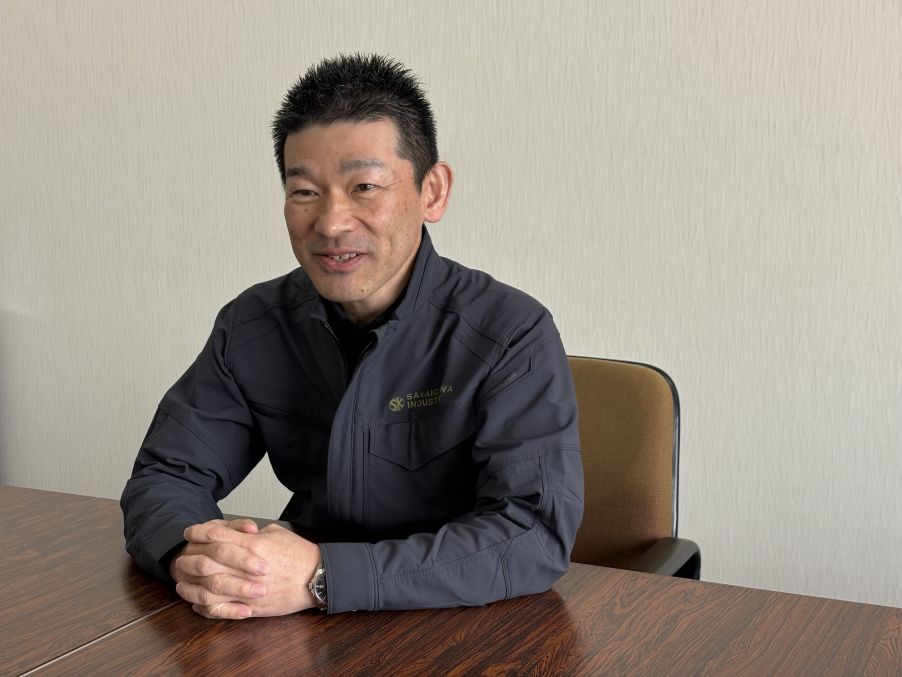
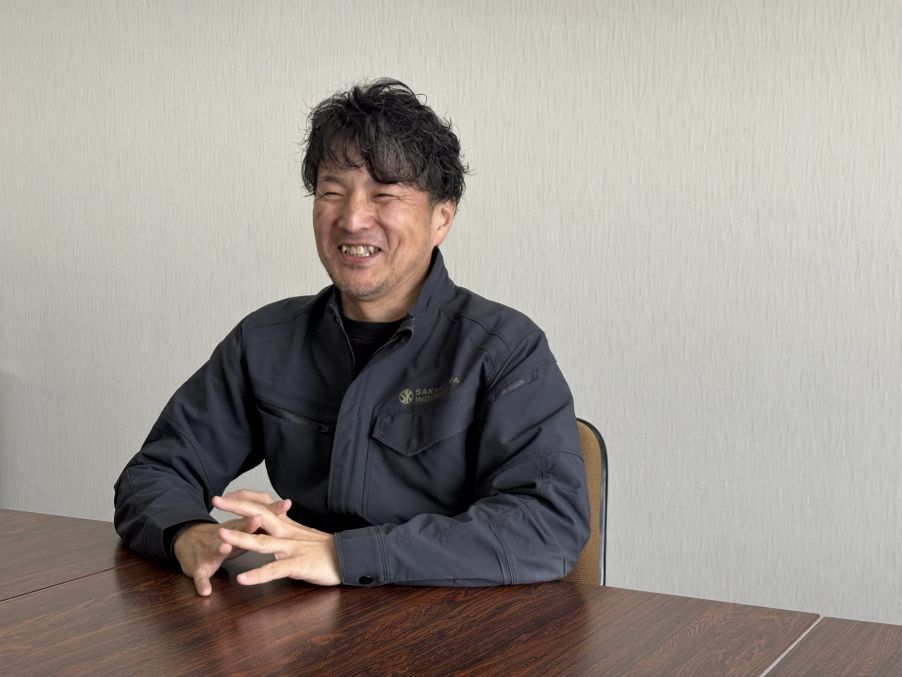
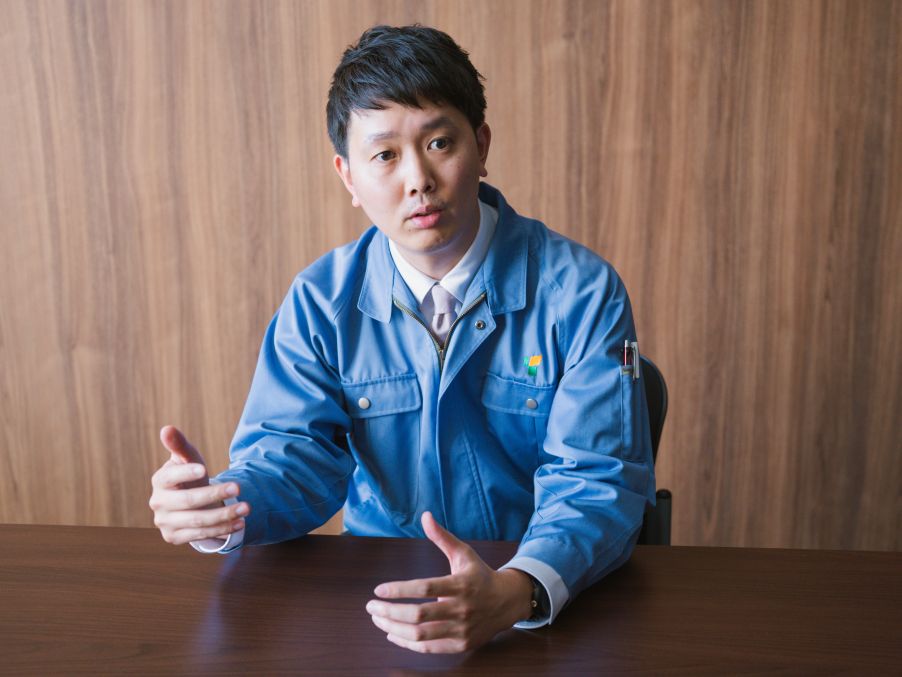
SAKAIGAWA INDUSTRY Co.,Ltd. President Sanada Hiroyuki (Photo 1) , Director of Engineering Naoki Nishimura (Photo 2)
With more than 70 years of experience, we at Sakaigawa Industry specialise in heat exchangers and hold the industry’s leading share in fin‑tube heat exchangers. At the core of our strength is our distinctive approach: engaging sincerely with complex customer enquiries and delivering optimal solutions based on decades of expertise in heat control.
Episode
We have always made it a point never to dismiss any customer enquiry with a simple “not our area of expertise.” Instead, we listen first—and then propose a solution. We do this because we take pride in being a specialist manufacturer of heat‑exchange equipment, and we view every enquiry as an opportunity to discover new possibilities.
For instance, even if a customer reports a malfunction and our investigation reveals that the cause lies in peripheral equipment unrelated to the heat exchanger itself, we may still propose a way to resolve it. Recently, we have begun receiving web enquiries from companies with whom we have had no prior relationship. We have particularly noticed an increase in enquiries from research departments. While the questions are not always about heat exchange itself, we make a point of listening. This approach has, at times, led to new business opportunities.
About four years ago, for example, we received an unexpected call from a major construction company. It was surprising—they were a large corporation unfamiliar with our industry and we had never worked with them before—but we chose to listen first. As we heard the details, the brief was unexpected and raised some concerns. However, once we understood that the core challenge involved “heat control,” we resolved to consider what we could offer.
After several rounds of dialogue, they told us they wished to trial our approach. This led to our full participation in the research, where we conducted a range of tests as requested—precise validation data, simulations, and mock‑up verifications. Once we achieved certain results, our products were adopted as part of the system, and the research progressed to the next stage. While there remains room for improvement, the project reached a solid technical standard and culminated in a joint patent application that includes our company.
The Wellspring of Innovative Solutions
Heat exchangers are often integrated into factory equipment, so few people possess detailed knowledge of heat exchange. Naturally, we take pride in our expertise as specialist manufacturers—expertise that often surpasses that of our customers. For this reason, we have always made it a point to respond to customer enquiries with our utmost effort.
At Sakaigawa Industry, we embrace a strong “let’s give it a go” attitude. This mindset permeates our entire workforce: even when faced with challenging enquiries, our employees proactively propose solutions and tackle issues head‑on. While we certainly do not disregard profitability, our staff genuinely seem to find enjoyment and a sense of fulfilment in taking on new challenges.

Excelling Where Others Hesitate
Enatech Corporation Director Mikiya Enami
Excelling where others hesitate, Enatec has deliberately specialised in machining heavy, complex‑shaped castings that many companies shy away from. Building on deep manufacturing knowledge and hands‑on know‑how, we have also expanded into equipment solutions that address real challenges on the production floor. Today, we are channelling this problem‑solving mindset into developing one‑of‑a‑kind technologies for the next‑generation semiconductor field, an area now drawing global attention.
Episode
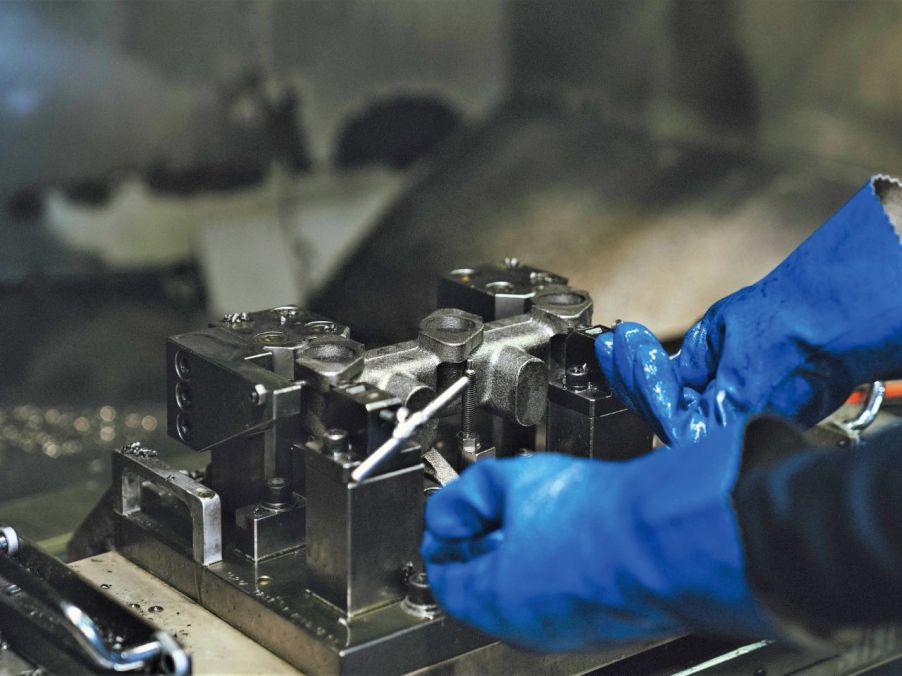
Our current core business at Enatech is the precision machining of castings, including heavy and complex components such as those used in engine exhaust systems. Castings generally exhibit large tolerance deviations, making precision machining highly labour‑intensive. In particular, exhaust components with intricate shapes are difficult even to secure for machining, creating a significant barrier to automation.
However, because we have pursued precision machining of castings since the post‑war period, we possess extensive knowledge and know‑how accumulated over many decades. Leveraging this expertise, we have implemented automation and labour‑saving solutions by developing our own jigs and fixtures. These innovations, born from real on‑site needs, help reduce operational burdens.
Our efforts have produced clear results. We have reduced machining time for one product to one quarter of the time required by competitors, and we have halved costs through improvements that also encompass the upstream casting process. We have even proposed these improvements directly to our clients, contributing to their productivity gains.
We were also approached by a major corporation seeking a replacement for a supplier that had ceased operations. Upon investigating the request, we found that the project involved castings with complex shapes generally considered extremely difficult to machine, and several companies had already declined the work. However, by drawing on our jig‑design capabilities and mass‑production machining expertise, we determined that the machining was entirely feasible and accepted the order.
In addition to these efforts, we apply the knowledge and know‑how gained from improving our own manufacturing operations to a separate business: the development and production of industrial equipment. For example, in the pressing process, manually separating product parts from connected scrap had long been a significant challenge. Recognising this, we developed equipment to automate the process. At one customer site, three workers had been required to remove products from scrap on a single line, but after the introduction of our equipment, this task could be performed automatically during the waiting time before the next process.
At present, our primary focus is on the world’s first PCB edge‑coating equipment. This device applies liquid agents to the edges of printed circuit boards and has already been adopted by major electronics manufacturers both in Japan and overseas. Our current challenge is the development of equipment for glass substrates, which are attracting increasing attention as next‑generation materials for AI‑related semiconductors. Liquid application on glass requires micron‑level control, and we are currently the only company to have commercialised equipment capable of reliably performing this process. Although still under development, we have already received enquiries from major global semiconductor manufacturers.
The Wellspring of Innovative Solutions
Within our company, we have cultivated a culture of continually challenging ourselves in research, development, and improvement. This mindset has driven our past efforts in developing our own jigs and equipment. It is precisely this culture that has shaped who we are today, allowing us to specialise in fields that many other companies tend to avoid.
For many years, we have allocated our profits equally into three areas: internal reserves, employee benefits, and research and development. We also fully subsidise qualification examination fees for employees and have established internal certification tests, rewarding successful candidates with monetary incentives to encourage ongoing learning. Through these initiatives, we believe we have fostered a company-wide understanding that Enatech values research, development, and personal growth.
Looking ahead, we aim to continue building an organisation that recognises and supports those who embrace challenges. Our goal is to create an environment where failure is not feared, but viewed as a learning opportunity—something to build on and turn into future success.
The Takumi Companies introduced so far share several defining characteristics.
1. A vigorous spirit of challenge
Each company actively chose to confront difficult tasks that others avoided or deemed impossible, pursuing solutions with an almost playful determination. This mindset serves as the engine that generates their unique ideas.
2. Pride in their role within the supply chain
Takumi Companies take considerable pride in the roles they fulfil. Even when working with major corporations, they approach challenges with the conviction that they are the foremost experts in their field. This confidence, grounded in years of proven achievement, enables them to make bold and credible proposals.
3. A sincere commitment to sustainability
As environmental responsibility becomes essential for all companies, Takumi Companies not only respond to client needs but also tackle unresolved societal issues through the strengths of their manufacturing. They spare no effort in continually seeking answers that contribute to a more sustainable future.
akumi Companies demonstrate exceptional technical prowess and distinctive creativity in their respective niche fields, giving them a strong presence. Yet, because these strengths lie in highly specialised domains, their capabilities can sometimes be difficult to convey to a broader audience beyond their existing clients.
To help raise wider recognition of these Takumi Companies, Osaka Prefecture has created dedicated profile pages on this website. For more details, please explore the “Find Companies” section.